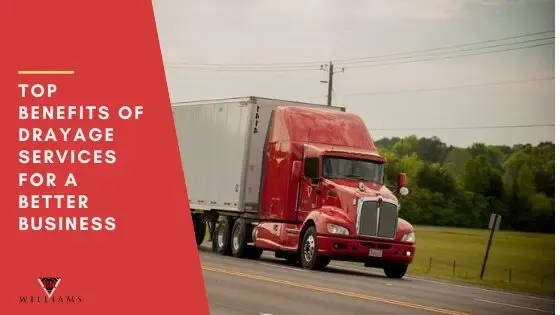
The logistics and shipping industry relies heavily on intermodal drayage, trucking, and cross-docking services to move goods efficiently across regions. Using these intermodal services appropriately can reduce costs, increase speed, and improve the overall supply chain process.
What is Intermodal Drayage?
In the world of logistics, intermodal drayage refers to the transportation of goods over short distances, often as part of a larger intermodal system. This service typically involves moving shipping containers or goods between different modes of transportation, such as from a rail terminal to a warehouse or port.
Intermodal drayage is essential for reducing bottlenecks in the supply chain. Combining it with other services, such as cross-docking, can further streamline processes and enhance efficiency.
What is Intermodal Trucking?
Intermodal trucking plays a key role in the seamless movement of cargo. The term describes the use of trucks to transport goods that have been shipped by rail, ocean, or air in containers.
Intermodal trucking services combine multiple modes of transportation, including rail and ship, to deliver goods efficiently while reducing transit times and costs. These services often serve as the “final mile” in the intermodal supply chain, ensuring cargo reaches its destination safely.
What is Drayage?
Drayage, a key component of intermodal logistics, involves the short-distance transport of goods—typically as a transitional step in a broader supply chain system. For instance, drayage services transport containers from a port to a local warehouse or intermodal terminal.
Advances in warehouse management systems and real-time tracking provide smoother drayage operations and ensure minimal delays or damages.
What is Cross Docking?

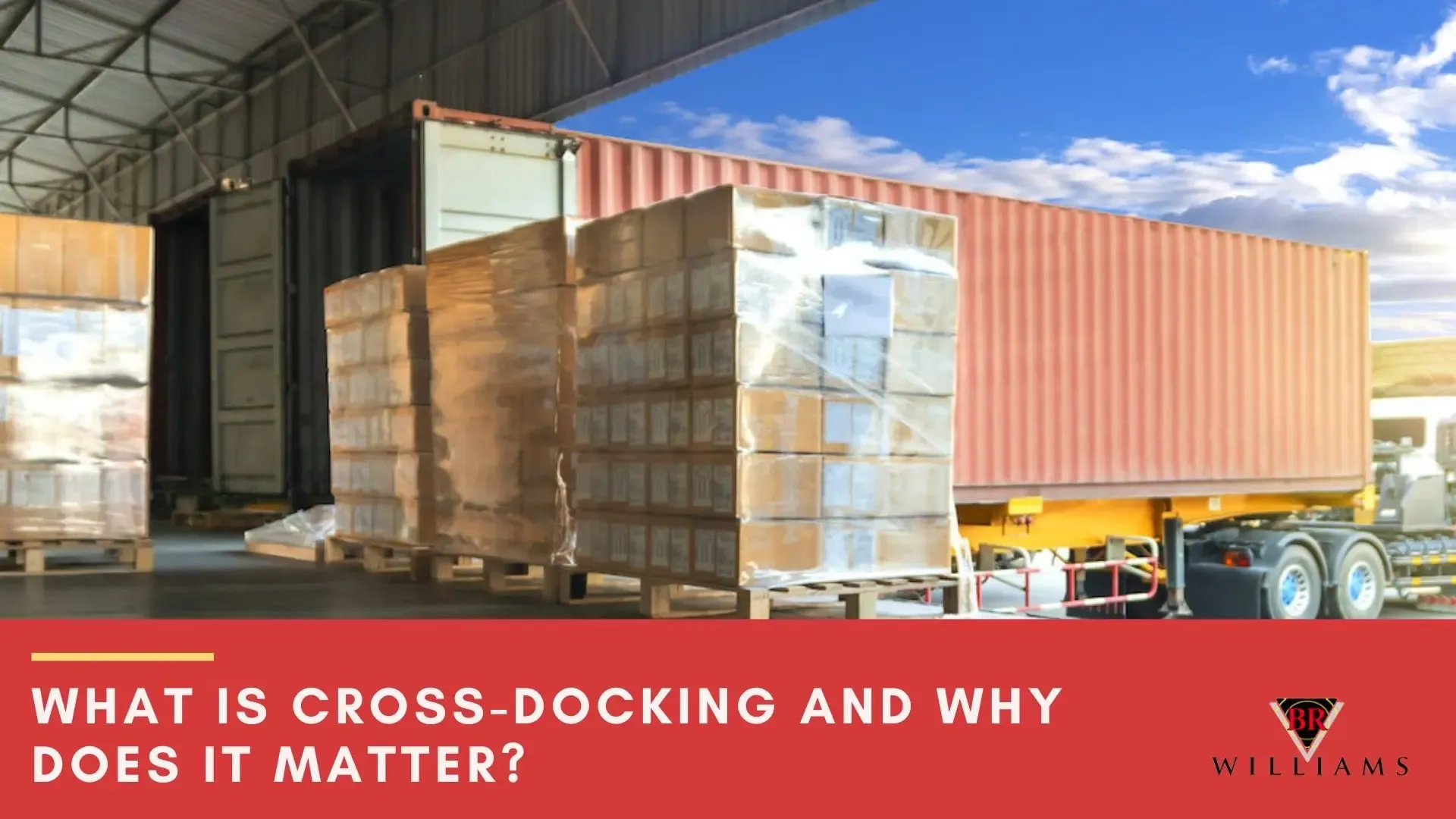
Cross-docking, a crucial part of intermodal services, improves distribution efficiency by bypassing traditional warehousing. In a cross-docking system, goods are unloaded from one mode of transport, sorted, and reloaded onto another for immediate delivery.
This system is ideal for companies shipping time-sensitive or perishable goods. For example, cross-docking allows businesses to reduce warehousing costs and accelerate delivery by moving goods directly from manufacturer to customer.
When to Use Cross Docking
Companies often wonder whether to choose cross-docking over intermodal drayage or other transportation methods. If your shipping requirements include any of the following, cross-docking services may be the best solution:
- Materials that don’t need additional handling at a warehouse.
- Goods that don’t require storage or repackaging.
- Shipments sent to similar endpoints.
- Perishable or time-sensitive products.
- Cargo destined for delivery points over 300 miles from the port of entry.
Cross-docking ensures your high-priority goods reach their destination quickly and at a lower cost compared to point-to-point freight transportation systems.
Cost-Effectiveness of Cross Docking
Many businesses shift to using cross-docking as part of an intermodal service solution due to its cost benefits. Here’s how switching can save money in your logistics operations:
- Reduced warehouse costs: Eliminates expenses tied to storage and inventory management.
- Minimized freight handling: Fewer touchpoints lead to lower product damage and loss.
- Optimized transit routes: Cross-docking reduces mileage and gas consumption while avoiding lengthy hauls.
By integrating cross-docking with intermodal services, like drayage and trucking, businesses save time, reduce costs, and minimize risk in their supply chains.
Want to lower your costs of intermodal, cross-docking and drayage? Download Free eBook
Things to Consider When Cross Docking
When integrating cross-docking into your supply chain, ensure the following factors are in place to optimize efficiency and cost savings:
- A reliable fleet with enough capacity to handle your freight transitions without delays.
- A robust warehouse management system (WMS) for real-time tracking and updates.
- Competitive pricing for cross-docking compared to traditional intermodal drayage services.
Choosing a carrier with experience in intermodal trucking, drayage, and cross-docking solutions ensures you fully maximize the benefits.
Conclusion
Whether you’re shipping via intermodal trucking or leveraging cross-docking to streamline your supply chain, understanding these services is essential for cost savings and efficiency. Utilizing a comprehensive intermodal service strategy ensures faster deliveries, reduced handling, and better overall logistics management.
Want to lower your costs of intermodal drayage, trucking, and cross-docking? Download our FREE eBook today for expert tips on optimizing your logistics operations.